Food for fighting roostersNutrition is a key factor in helping fighting roosters maintain their fitness, strength, and effective fighting ability. Investing in a suitable diet not only helps fighting roosters develop comprehensively but also enhances their fighting skills and reduces disease. This article 78win đăng nhập will provide comprehensive knowledge on nutritional care for fighting roosters, from essential foods to helpful tips to keep them in top condition.
Who should pay attention to when feeding fighting chickens?
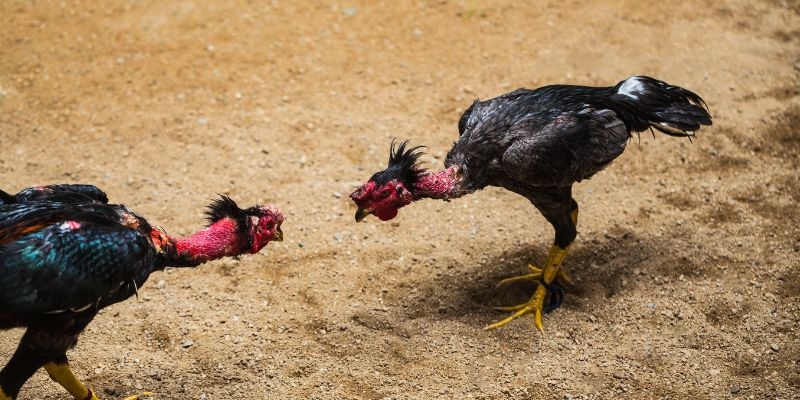
Choosing the right and sufficient food for fighting roosters is key to improving their performance in competitions. The following aspects require special attention:
- The fighting rooster is in its growth and training phase.
- The chicken is preparing to fight or has just participated in a fight.
- Once fighting roosters reach adulthood, they need to maintain their health and fitness.
- Chickens can become weakened due to disease or improper nutrition.
These birds require a special diet tailored to each stage of development. Clearly defining the care goals is crucial to creating a suitable menu that allows the chickens to reach their full potential. The quality of the feed and the timing of feeding are key factors in the success of training fighting chickens.
The chickens are currently in training and competing.
Training roosters always require a diet containing sufficient energy, protein, and vitamins to promote recovery after each training session. Especially during competition preparation, the diet needs to focus on maintaining physical fitness, increasing endurance, and enhancing fighting strength.Food for fighting roostersThis stage requires a varied, nutritious, and easily digestible diet.
Chickens after competition or chickens that have recently recovered from illness.
During this period, the diet should focus on restoring physical strength, replenishing blood, and boosting the chicken’s immune system. Foods with anti-inflammatory and low-irritation properties help the chickens recover quickly. In addition, attention should be paid to supplementing essential vitamins and minerals to maintain overall health.
Adult chickens, maintaining their physical condition.
At this stage, the diet for fighting roosters needs to focus on protecting their health, maintaining a balanced amount of protein and fat to sustain their fighting performance. A combination of nutrient-rich foods that strengthen bones and enhance fighting ability is recommended. In the diet of adult roosters, controlling food intake is crucial to avoid overweight or nutritional deficiencies.
Step-by-step guide – How to build a nutritional regimen for fighting roosters
Establishing a suitable diet for fighting roosters requires patience and a thorough understanding of the necessary food types, appropriate quantities for each stage of development, and factors that promote health. Below is a step-by-step guide to help you care for your fighting rooster’s diet in a systematic and effective way.
Step 1: Determine the goals and developmental stages of the chickens.
Each stage of a fighting rooster’s development has its own specific nutritional requirements. First, you need to clearly define the purpose of care: whether the rooster is for competition, training, or recovering from illness. From there, create a suitable diet for each stage, balancing nutrients such as protein, fat, carbohydrates, vitamins, and minerals.
Step 2: Choose the right type of food.
Based on your goals, you will choose appropriate foods such as:
- Corn, paddy rice, brown rice: provide energy.
- Mixed or multi-nutrient feeds
- Protein-rich foods such as shrimp, crab, and eggs.
- Fresh green vegetables and fruits help supplement vitamins and minerals.
- Herbs help boost immunity and improve digestion.
Step 3: Develop a suitable diet and portion sizes.
After selecting the right feed, you need to create a suitable diet for each stage, balancing the daily amount of food. Avoid overfeeding or underfeeding the chickens; monitor their reactions and adjust accordingly.
Step 4: Maintain a regular diet.
Specify the appropriate feeding times and frequency to ensure a continuous and balanced nutritional regimen. Fighting chickens typically eat 2-3 main meals and supplementary feed in the afternoon or evening. Pay particular attention to hygiene, ensuring the feed is clean to prevent disease.
Step 5: Monitor, check, and adjust.
Each week, you should check the chickens’ health, observing signs of illness, weight, and any visible wounds or signs of disease. Based on this, adjust their diet accordingly, adding or removing food types to meet their needs at each stage.
The benefits and drawbacks of food for fighting roosters – What should you consider?
Choosing the right food offers many benefits but also comes with limitations that can affect the training and health of fighting roosters. Understanding these points will help you be more proactive in caring for your fighting rooster.
The benefits of proper food care.
A proper diet helps fighting roosters increase their strength, agility, and flexibility in fights. Suitable food also helps prevent digestive problems, anemia, and physical weakness. Furthermore, providing sufficient vitamins and minerals promotes the development of strong feathers, claws, and bones.
Limitations if you don’t pay attention to the food for fighting roosters.
A poor, unbalanced diet can easily lead to weakened fighting roosters, causing them to lose strength quickly and negatively impacting their performance in competitions. It can cause diseases related to protein and vitamin deficiencies, or illnesses caused by spoiled or unhygienic food. Furthermore, overfeeding or underfeeding can lead to nutrient deficiencies or excesses, reducing their fighting ability.
Potential risks
Choosing the wrong type of feed can lead to digestive problems such as diarrhea, indigestion, or serious illnesses like influenza and pneumonia. Furthermore, using feed of unknown origin or containing additives will directly affect the health of chickens, reducing their lifespan and causing chronic diseases. Therefore, farmers need to carefully select and combine appropriate and safe feed.
Food tips for fighting roosters – Secrets to keeping your rooster healthy.
Nutritional care for fighting roosters is not simply about providing food, but also involves incorporating tips to maximize the effectiveness of the diet. Below are some important tips you can apply to improve the performance of your fighting rooster care.
Tips for choosing fresh and safe food
Fresh, traceable food is crucial to the quality of a fighting rooster’s diet. You should buy food from reputable suppliers or grow your own vegetables and raise your own shrimp to ensure cleanliness. Avoid buying spoiled or rotten food, as it can easily cause illness.
Tips for preparing food correctly
Avoid overcooking or undercooking foods, as this can easily lead to loss of appetite or diarrhea. Instead, finely chop and mix ingredients in appropriate proportions for easy absorption and optimal nutrient intake. Finally, add natural spices like ginger and garlic to boost immunity.
Tips for maintaining a stable diet
Regularly check the chickens’ health and adjust their feed intake accordingly to avoid nutrient deficiencies or excesses. In addition, maintain a clean, well-ventilated environment to minimize the risk of foodborne illness. Consistent and persistent effort is key to achieving the best results.
Risks to watch out for: Food for fighting roosters – Be careful not to affect the fighting cock
In the process of raising fighting roosters, choosing the right food is not enough. Breeders also need to pay attention to potential risks to ensure the roosters remain healthy and ready to fight.
Risks from food of unknown origin
Feed of unknown origin may contain toxins or allergens that can cause infections, diseases, and even death in chickens. This requires farmers to choose reputable, traceable feed brands and thoroughly inspect them before feeding them to their chickens.
Risks from overdosing or underdosing.
Too much or too little of any nutrient can lead to adverse effects. Too much protein can cause chickens to become overweight, have excess fat, indigestion, or develop gout. Conversely, a lack of vitamins and minerals can weaken chickens, making them more susceptible to disease or unable to fight effectively.
Mistakes in nutrition
Improper processing or sudden changes in diet can cause digestive disorders or stress in chickens. Farmers need to pay attention to proper preparation steps, monitor the chickens’ reactions, and make timely adjustments. At the same time, avoid using drugs or additives of unknown origin, as these can have long-term effects.
Frequently Asked Questions about Food for Fighting Roosters
How can you tell if a fighting rooster is malnourished?
You can look for signs such as weight loss, dull feathers, lethargy, or increased susceptibility to disease. Regularly monitor the chickens’ weight and physical condition, and check their droppings and feathers to assess their nutritional status.
What food is suitable for fighting chickens in the summer?
During the summer, chickens are prone to dehydration and vitamin deficiencies, so it’s important to supplement their diet with fresh vegetables, fruits, and clean water, while reducing starch intake to prevent internal heat buildup. Additionally, herbal remedies can help cool the body and balance hormones.
Is it necessary to give chickens supplements?
Nutritional supplements should only be used when chickens are recovering or showing clear signs of nutritional deficiencies. Self-medication without expert guidance can easily backfire or harm their digestive system.
How can I boost the immune system of fighting roosters?
You can use natural herbs like garlic, ginger, and turmeric, or supplement with vitamins C and E. Additionally, maintain hygiene in the breeding area, ensure a balanced diet, and provide sufficient light and ventilation.
Is feeding fighting chickens natural food effective?
Natural foods provide a clean, safe, and nutrient-rich source of essential elements. However, proper proportions and appropriate preparation are necessary to maximize their effectiveness. Furthermore, diversifying food sources is crucial for overall nutritional balance.
Summary
The diet for fighting roosters is not only a factor supporting the training process but also a foundation for maintaining their health, physical strength, and superior fighting ability. Breeders need to carefully select the right foods for each stage to increase their chances of success in competitions. In addition, paying attention to risks and applying helpful tips in care will help keep the roosters in the best condition, thereby improving performance and extending their lifespan. With the right knowledge, each fighting rooster can become a true champion in the arena.