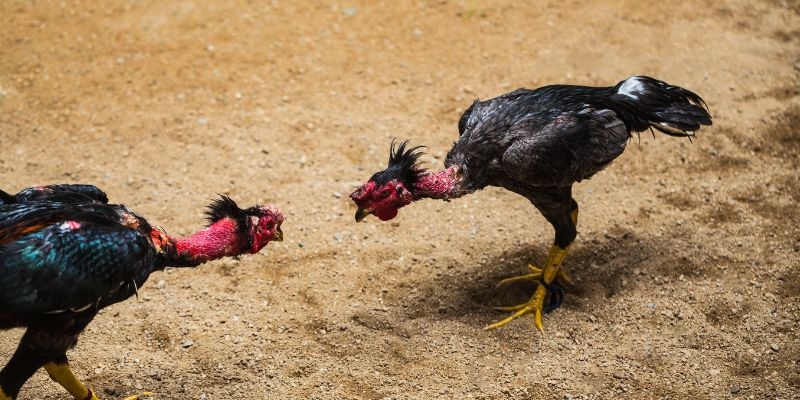
Copper spur cockfighting is a form of cockfighting that uses copper spurs, which increase durability and damage. The match is exciting and intense with powerful attacks.

Cockfighting is one of the unique and interesting traditional sports in Vietnam. For many people, it is not just a sport, but also a deep passion for fighting cocks. Thanks to the combination of culture, history and the art of raising chickens, this sport has created a large and enthusiastic community. Together 8xbet Explore the content of the following article.
History of cockfighting
The history of the formation of fighting cocks is very rich and diverse. It originates from the martial traditions of our ancestors from hundreds of years ago. In many different cultures, especially in the East, fighting cocks have played an important role in festivals and holidays.
The development of fighting cocks over time
Cockfighting with spurs not only exists in matches but also reflects a part of the national cultural identity. From the early days, cockfighting was often only organized within the village, until now, it has become a larger activity with the participation of many provinces and cities nationwide.
We can see the progress from the selection of breeds to the techniques of raising. Many people have spent a lot of time and effort to research the breeds as well as the tactics in the fight. The venues are also becoming more professional and larger in scale.
Famous areas for cockfighting
Some localities such as Hai Phong, Binh Duong or Vinh Long are famous for organizing cockfighting matches with copper spurs. Each region has its own unique characteristics in caring for and training chickens. This contributes to increasing competition and diversification in this sport.
This popularity is not only domestic but also spread to the world, attracting the attention of many international tourists. Fighting cocks with spurs have become a unique mark in the culinary and entertainment culture of Vietnamese people.
The art of raising fighting cocks
Raising fighting cocks is not just about feeding them, it is an art that requires knowledge and experience. This process includes many different aspects from health care, nutrition to training to enhance the chicken’s physical strength and skills.

Fighting cocks with spurs and the art of raising them is extremely easy
Choose the right breed
Breeding is considered a decisive factor in the success of the matches. Fighting cocks need to have strong personalities, courage and intelligence. Chickens with good physical condition will be able to withstand the pressure of the match more easily.
Chicken farmers often choose good quality chicken breeds and select individuals from a young age. To do this, it is important to understand their origins and genetic characteristics.
Training chickens for fighting
The next step in raising fighting cocks is training. An effective training program will not only help the cock develop physically but also improve its reflexes and tactics in the fight.
Trainers often use methods such as running, jumping, and even light fighting to help the chickens get used to the stress of participating in a real battle. This not only helps the chickens maintain their endurance but also creates a strong spirit for them.
Scientific nutrition
Diet is also an extremely important factor in the process of raising fighting cocks. Diets rich in protein and essential vitamins will help the chickens grow healthier and more flexible.
Poultry farmers often use grains, beans and meats to ensure a balanced and complete diet. It should be noted that adjusting the diet according to each stage of the chicken’s development is also necessary to optimize performance during competition.
Culture and tradition of cockfighting
Cockfighting is not only a sport but also carries culture, friendship, and solidarity. Each match is not only a competition between cocks, but also a place for exchange, connection, and bonding between people who share the same passion.
Tradition of meeting at matches
Participating in cockfighting matches, players not only pay attention to their chickens but also have the opportunity to meet friends and share experiences. These gatherings have created a close-knit community, where everyone loves and enjoys the joy of this sport.
It is often said that each match is a small festival, where the audience holds their breath to watch every eye-catching action. The lively atmosphere and cheers from the audience make the match more exciting.
Destination for cockfighting enthusiasts
Many localities have developed into attractive tourist destinations for cockfighting enthusiasts. Spring cockfighting festivals or major tournaments always attract a lot of participants.
Here, people have the opportunity to admire the most beautiful chicken breeds, the most advanced care and training techniques. Many people also bring products processed from fighting chickens, creating a rich culinary space.
Sportsmanship and love of animals
In addition to the joy of the matches, raising fighting cocks also brings responsibility to the breeders. They not only take care of but also give love to their chickens.
This attachment has become an indispensable part of chicken raising culture. Many people have shared that it is like taking care of a family member, stroking each feather, educating and creating the best environment for chickens to grow.
Conclude
Cockfighting is not only a sport, but also a symbol of culture, tradition and passion of the Vietnamese people. Through this article, we hope you have learned more about the history, the art of raising, as well as the cultural value of cockfighting. Maintaining and developing this sport not only brings joy to fans but also preserves the beauty of folk culture for future generations.